Monthly Rent, Management Fees, and Payroll: Paying by Card Is Easier Than You Think
Monthly Rent, Management Fees, and Payroll: Paying by Card Is Easier Than You Think
Many people in Korea still rely on bank transfers for recurring payments like rent, building management fees, and staff wages. But a growing number of tenants and small business owners are discovering that card-based payment services can offer real breathing room when cash flow is tight. This article breaks down how each of these three payment categories works, what to watch out for, and why more people are making the switch.
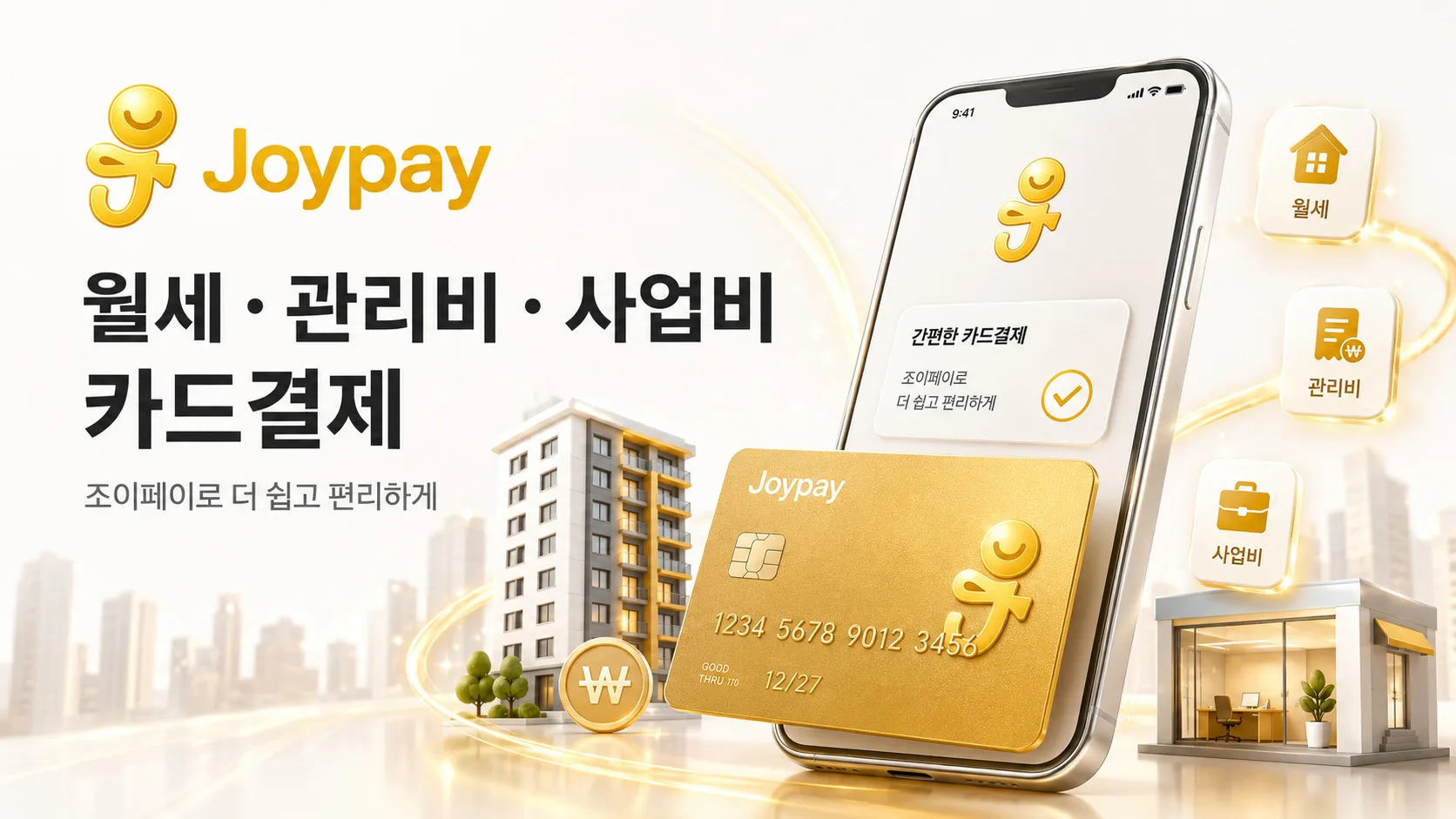
Why Cash-Based Recurring Payments Can Be a Problem
Recurring fixed expenses hit your account at roughly the same time every month. Rent is due on the first, management fees follow a few days later, and payroll has to land before the end of the month. When those dates overlap with slow revenue periods, even a well-run household or small business can find itself scrambling. The traditional answer was to keep a large cash buffer sitting idle in a checking account, which is not always practical or efficient.
Card payments change that equation. Instead of draining your account on a fixed date, you shift the actual cash outflow to your card’s billing cycle, which can add anywhere from two to six weeks of float depending on when in the cycle the charge falls. That window is often enough to collect receivables, close a sale, or simply avoid an overdraft fee.
Monthly Rent Payments by Card
Paying monthly rent by credit or debit card sounds simple, but landlords rarely set up card terminals for a single tenant. A payment agency steps in as the intermediary: you pay the agency by card, and the agency transfers the equivalent cash amount to your landlord’s account. Your landlord receives exactly what they expect, and you get the card transaction on your statement, complete with any rewards points your card might earn.
This arrangement is particularly useful for people who have a good credit card limit but limited liquid savings at the start of a new lease. It is also attractive for anyone who wants to consolidate monthly expenses onto a single card statement for easier bookkeeping.
Management Fee Payments by Card
Apartment and officetel residents receive a management fee invoice every month covering items like elevator maintenance, common-area electricity, water, and security. These invoices are typically paid by bank transfer or automatic debit. Switching to a card payment service works the same way as rent: the agency accepts your card charge and remits the funds to the building management office.
One underappreciated benefit here is dispute clarity. When management fee breakdowns are unclear, having a dated card transaction makes it easier to cross-reference charges against your monthly statement and flag discrepancies early.
Payroll and Labor Cost Payments by Card
For small business owners, payroll is often the single largest monthly outflow. Whether you employ full-time staff, part-time workers, or engage freelancers and contractors for project-based work, those payments have to go out on time regardless of whether your own receivables have cleared. This is where 인건비카드결제 becomes a practical solution. By routing wage and contractor payments through a card-based agency, business owners can defer the actual cash settlement to their card billing date, buying valuable time without delaying anyone’s pay.
Comparing the Three Payment Types
| Payment Type | Typical Payer | Main Benefit | Service Fee Range |
|---|---|---|---|
| Monthly Rent | Tenant | Cash flow flexibility, rewards points | 1–3% of payment |
| Management Fee | Resident | Consolidated billing, dispute records | 1–2% of payment |
| Payroll / Labor | Business owner | Deferred cash outflow, on-time wages | 1.5–3.5% of payment |
Things to Consider Before Using a Card Payment Agency
- Check the service fee against the rewards or cash-back rate on your card to make sure the net benefit is positive.
- Confirm that the agency remits funds on a schedule that matches your landlord’s or employee’s expected payment date.
- Verify that the agency is a registered financial intermediary so your transaction records are legally sound.
- Keep copies of all receipts and confirmation messages in case of any billing disputes down the line.
Is This Approach Right for Everyone?
Card-based payment services are not a one-size-fits-all solution. If your credit card carries a high interest rate and you are unlikely to pay the balance in full each month, the interest charges could easily outweigh the convenience. The sweet spot is for people who pay their card balance on time and simply need a short-term bridge between income and outgoings, or who want to earn rewards on expenses that would otherwise generate nothing.
Small business owners with seasonal revenue patterns tend to benefit the most from payroll card services. A retailer whose sales peak in December but whose staff costs remain constant year-round, for example, can use the card float during slower months to keep operations steady without taking out a short-term loan.
Getting Started
Most card payment agencies in Korea operate through a mobile app or web portal. You register your card, enter the recipient’s bank account details, specify the amount and payment date, and confirm the transaction. The agency handles the rest. Some platforms also offer recurring payment scheduling so you do not have to log in manually each month for rent or management fees. Before committing to any service, read the fee schedule carefully and run the numbers for your specific situation to make sure it makes financial sense for you.
Comments are Disabled